When technology creates new possibilities
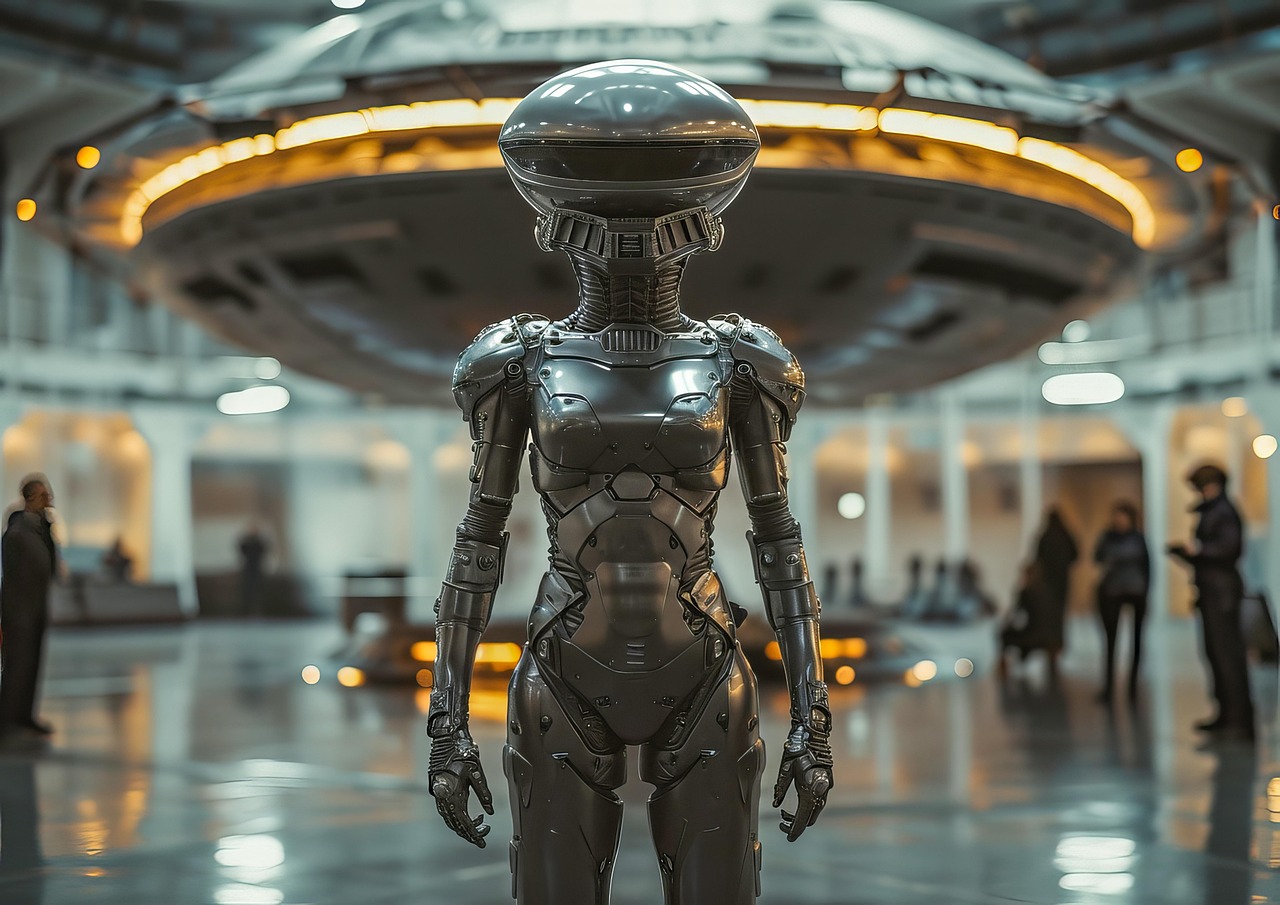
…and human encounters remain something special.
The events industry is facing exciting changes. Artificial intelligence (AI) is opening up new possibilities, transforming workflows, and creating prospects that were barely imaginable just a few years ago. AI is also becoming increasingly relevant to the planning, organization, and execution of live events. But does more technology automatically mean less humanity? Will personal encounters eventually be replaced by digital assistants? Quite the contrary: perhaps it is precisely now that what makes live events so special is becoming truly clear.

After all, people don’t attend events just to receive information. They want to meet others, exchange ideas, discover new things together, build connections, and be part of an experience. They are looking for inspiration, emotions, and, at times, that one unexpected moment that will stay with them for a long time. This is precisely where the great potential of AI lies: it can simplify many aspects without replacing what is truly essential.
Imagine organizational processes becoming more efficient, information becoming available more quickly, and content being better tailored to diverse interests. This creates space—for organizers, for participants, and, above all, for the very heart of any live event: the people.
AI can provide support, analyze, structure, generate ideas, and simplify processes. It can work in the background to ensure that things run more smoothly. Yet it cannot replace a personal conversation at a high-top table, spontaneous laughter during an event, or the shared feeling of having experienced something truly special together.
A video call connects participants digitally; an AI assistant can answer questions. A live event, however, creates encounters that engage all the senses—encounters from which genuine connections can emerge. Technology is not an end in itself; what matters is how we choose to utilize its potential. The question is not whether AI will play a role in events—it already does. Rather, the question is how we can employ it meaningfully: as a tool, a source of inspiration, and a form of support that creates more room for us to maneuver, rather than replacing the human tasks and interactions that define our experiences.

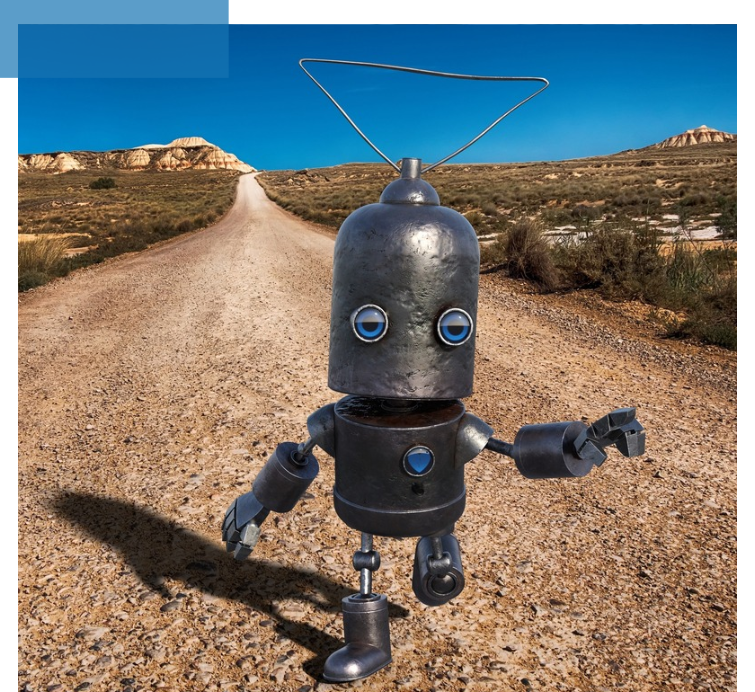
And that is precisely what makes this topic so compelling. AI is capable of far more than just automating processes; it opens up new perspectives, provides fresh impetus, supports creative ideas, and can help make events more personalized, efficient, and engaging. For us as event service providers, this primarily means staying curious, exploring new possibilities, and discovering how intelligent technologies can be meaningfully integrated into our work. The goal is not to reinvent everything from a technical standpoint, but rather to evolve our daily operations, improve workflows, and offer our clients new possibilities for their events. An exciting journey has only just begun!