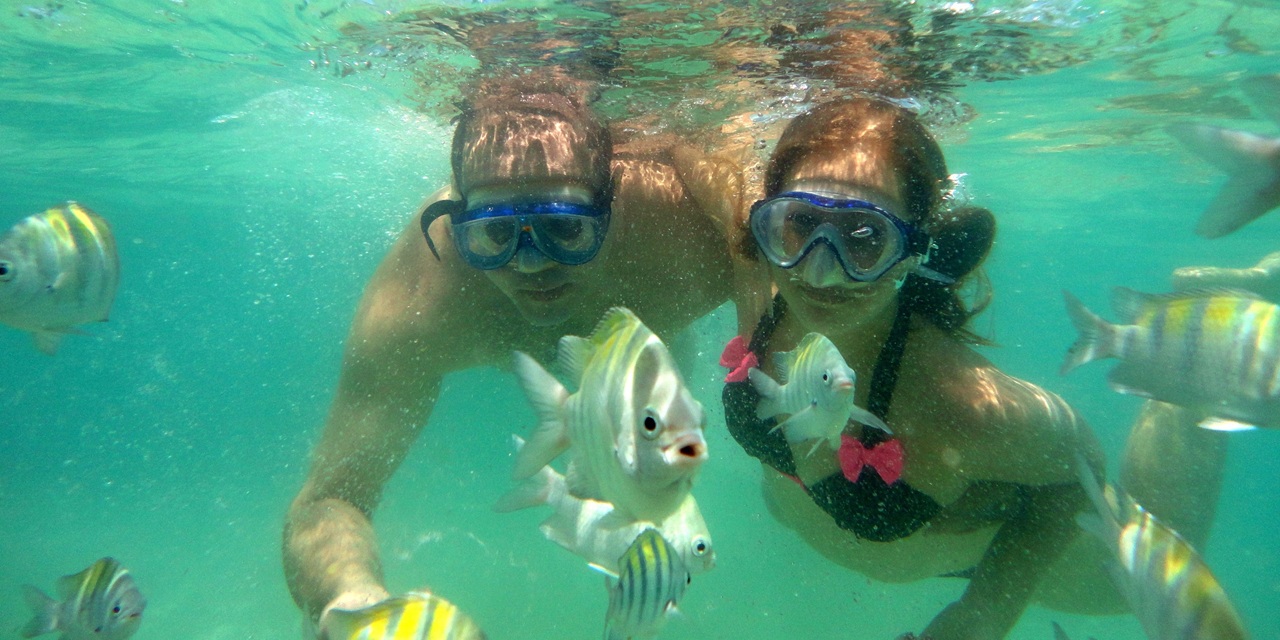
There’s always more to sea, but responsibly.
…keeping events flowing – without the plastic tide.
Blue Wonder or Floating Dump?
This United Nations sustainability goal aims to preserve and sustainably use the oceans, seas, and marine resources. Our oceans cover more than two-thirds of the planet, making them the largest ecosystem on Earth. They regulate the climate, produce oxygen, store around a quarter of global CO₂ emissions, and provide a habitat for millions of species. Yet this vital ecosystem is under severe threat — from overfishing, pollution, and the impacts of climate change.

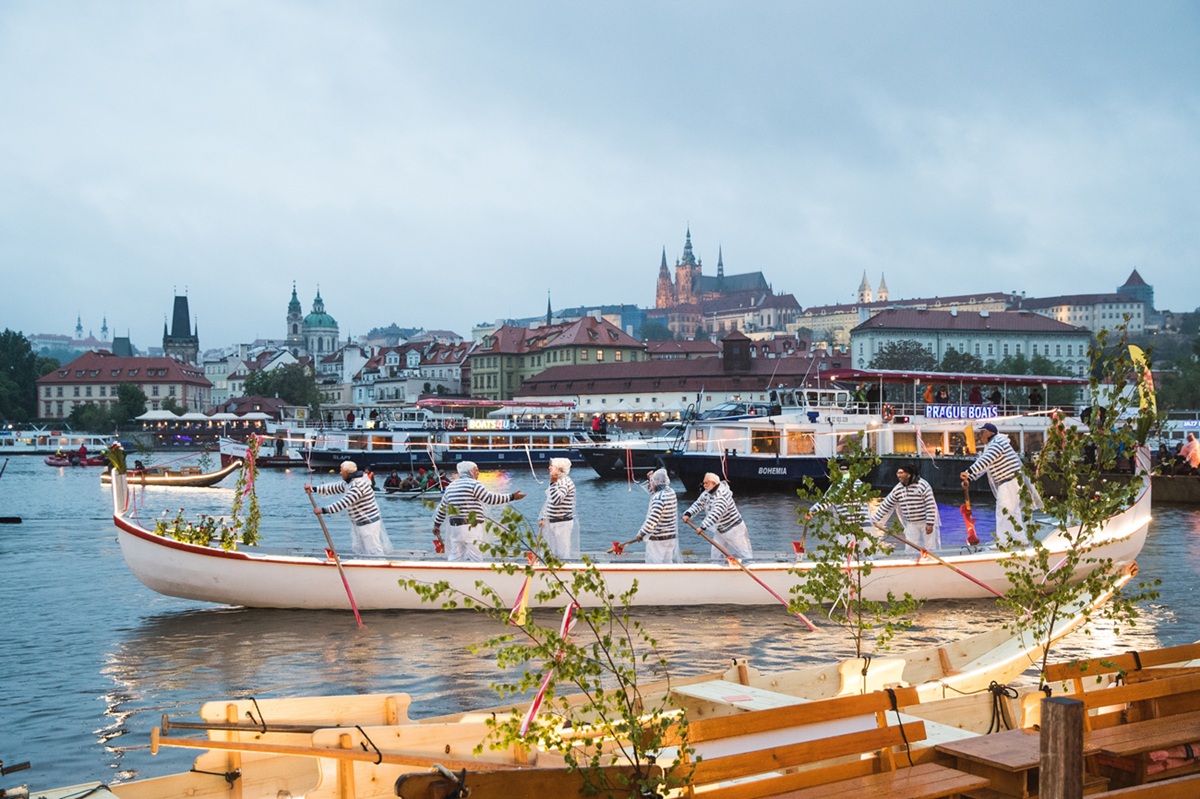
Even when events don’t take place directly in the water, they can still have a direct or indirect impact on oceans and waterways — through waste, plastic packaging, improperly disposed materials, or catering that includes fish products. This is even more true for events held on the water, such as raft-building activities, rafting tours, boat trips, or events on cruise ships, where waste can easily end up in rivers and oceans. Plastic pollution is one of the biggest challenges: around 10 million tons of plastic enter the oceans every year. This waste threatens not only seabirds, coral reefs, marine mammals, and fish, but ultimately also affects the human food chain.
If fish is served, it should come from sustainable fisheries — for example, from responsibly managed stocks in the North or Baltic Sea and certified with the MSC or Naturland Wild Fish label. Even better are alternatives, as many fish populations are overfished, caught too young, or disrupted in their reproduction. Recommended options include species currently considered well-stocked, such as herring, carp, trout, or mussels from sustainable aquaculture. Plant-based fish alternatives can also help reduce pressure on marine ecosystems.


Sustainable event formats can also actively contribute to protecting the oceans. Examples include team events that clean lakes, riverbanks, or beaches; workshops on environmentally friendly material use; upcycling stations at summer festivals; or joint activities such as building trash traps for local waterways. These concepts combine team spirit with environmental awareness and make the positive impact directly tangible. Communication efforts can also help raise awareness of water and ocean protection — through donation campaigns, partnerships with marine conservation organizations, or creative visuals that highlight the issue, even at trade fairs or corporate events.